
How to Child-Proof a Home With Glass Railings and Shower Doors
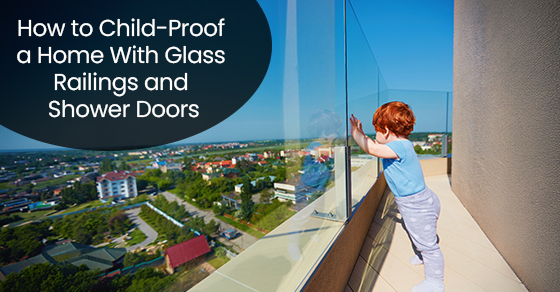
Glass railings and shower doors can make a home feel brighter, more open, and more modern. For parents with young children, though, that clean look often comes with a few practical questions. Is glass a good choice around busy little feet? What happens when kids run, lean, pull, splash, or forget to slow down?
At Northvue Glass, we understand that family homes need to look good and work hard. Childproofing home glass features is not about giving up modern design. It is about choosing the right glass, using secure hardware, planning the installation carefully, and building safer habits into everyday routines.
The best approach starts before installation whenever possible, but existing glass features can be reviewed too. Glass railings, shower doors, and other high-use surfaces all deserve the same kind of thoughtful attention parents already give to stairs, bathrooms, furniture, and other parts of the home.
How Childproofing A Home With Glass Features Starts With The Right Materials
Childproofing home glass features begins with understanding what is being installed. Clear glass panels can look similar at a glance, but their specifications, strength, thickness, hardware, and installation method may be very different.
Safety glass is designed for areas where impact resistance and breakage behaviour matter. In family homes, that can include glass railings near stairs or landings, shower doors in bathrooms used by children, and other glass surfaces that see regular contact. The glass itself matters, but it is only part of the safety picture.
Tempered glass is commonly used in many residential safety applications because it is heat-treated to improve strength compared with regular glass. If it fails, it is designed to break into smaller pieces rather than large sharp shards. That does not mean it cannot break or that injuries are impossible, but it does make the type of glass an important planning decision.
A safer glass feature depends on several parts working together:
- Glass type and thickness suited to the application
- Hardware that supports the panel properly
- Secure anchoring and stable mounting
- Accurate sizing and professional installation
- Regular care once the feature is in daily use
Appearance alone cannot answer those questions. A panel may look sleek and simple, while the details behind it decide how well it performs in a busy home. We encourage homeowners to ask what type of glass is being used, why it is recommended, and how the hardware and installation support the final design.
Choose Safety Glass For High-Use Family Areas
Some areas of a home naturally see more movement, contact, and unpredictable behaviour. Children may brush against a railing while carrying toys, touch a shower door with wet hands, or move quickly through a hallway without noticing a clear panel.
Glass railings near stairs, landings, balconies, or open spaces should be treated as safety features as well as design features. The same thinking applies to shower doors. Bathrooms add water, tight space, and slippery surfaces, so the right glass selection becomes part of a broader safety plan.
Safety glass supports that plan, but it does not replace supervision, maintenance, or good household rules. The strongest results come from combining the right material with secure installation and practical daily habits.
Understand Where Tempered Glass Fits In A Family Home
Tempered glass is created through a heat-treatment process that makes it stronger than regular glass. Its breakage pattern is also different. Instead of breaking into large jagged shards, tempered glass is designed to break into smaller pieces if it fails.
That is one reason tempered glass is often used for shower doors and other residential applications where safety matters. It suits areas where people are close to the glass and where accidental contact may happen.
For homeowners, the takeaway is simple: ask questions before choosing. Northvue Glass can help you understand what glass type makes sense for your project, whether you are planning shower doors, railings, or another home glass feature.
| Glass Type | Practical Difference |
|---|---|
| Standard glass | Not typically chosen for high-use safety-focused applications |
| Tempered glass | Stronger than regular glass and designed to break into smaller pieces if it fails |
Pay Attention To Hardware, Anchoring, And Fit
Glass safety is not only about the panel. Railings, shower doors, hinges, spigots, handles, seals, and anchors all affect how the finished feature performs.
A railing should feel stable under normal use. Shower doors should open, close, and seal properly without dragging, slamming, shifting, or scraping. Loose hardware, poor alignment, weak mounting, or visible movement can create concerns that should not be ignored.
Warning signs include wobbling panels, loose handles, new noises, doors that no longer close correctly, or hardware that feels unstable. If something changes, a professional evaluation can help determine whether an adjustment, repair, or replacement should be considered.
Make Glass More Visible To Children
Clear glass can almost disappear in bright, open rooms. Adults may notice the edge of a panel or remember where a door is, but children can be distracted, moving quickly, or focused on something else entirely.
Visibility cues can help without ruining the clean look of the glass. Some families use subtle decals, markers, frosted details, or design choices that make clear surfaces easier to spot. In bathrooms, lighting and shower door placement can also affect how visible the glass feels during daily use.
The goal is not to clutter the design. It is to make the home easier for children to navigate.
Keep Climbing, Slipping, And Rough Play In Mind
Children interact with a home differently than adults do. They lean, climb, pull, push, run, and test boundaries in ways that can surprise even careful parents.
Furniture placement matters around glass railings. A chair, bench, or low table near a railing can become an invitation to climb. In bathrooms, bath mats, supervision for young children, and clear rules about not hanging on shower doors can reduce everyday risk.
Good glass selection and secure installation create a stronger starting point. Family routines help protect that investment over time.
Childproofing Home Glass Railings Without Losing The Modern Look
Glass railings can preserve open views and natural light while still being planned with family life in mind. Northvue Glass offers frameless glass railing options that use tempered glass and hardware components designed for a clean, modern finish.
Parents should look beyond style alone. Railing height, panel stability, hardware finish, nearby furniture, and the way children move through the space all affect how practical the railing will feel in everyday life.
It also helps to think past the toddler stage. A railing that suits the home now should still make sense as children grow, routines change, and the space gets used in new ways.
Safer Shower Doors For Bathrooms Used By Children
Bathrooms introduce their own safety concerns. Wet floors, moving doors, handles, seals, and tight layouts can all affect how children use the space.
Shower doors should use appropriate safety glass for bathroom use, and tempered glass is commonly chosen for this reason. Door swing, handle placement, smooth operation, and proper sealing also matter. A beautiful shower door still needs to work reliably during rushed mornings, bath time, and regular cleaning.
Do not ignore loose handles, dragging doors, chipped glass, cracked glass, damaged seals, or doors that slam shut. Alongside the glass itself, parents can use non-slip mats, supervise young children, and teach kids not to push, hang on, or slam shower doors.
When To Have Existing Glass Features Checked
Household needs change. A glass railing or shower door that seemed fine before children arrived may deserve a closer look once the home becomes busier.
Watch for these signs:
- Wobbling railings or shifting panels
- Chipped or cracked glass
- Loose hardware or visible gaps
- Poor alignment
- Shower doors that drag, slam, or do not close smoothly
A professional can help assess whether repair, adjustment, replacement, or upgraded glass may be appropriate. Northvue Glass can review the options with homeowners and help them understand what makes sense for their space and family needs.
Talk To Northvue Glass About Childproofing Home Glass Features
Glass railings and shower doors can fit beautifully into a family home when they are planned with safety in mind. If you are childproofing home glass features, Northvue Glass can help you think through material selection, secure installation, hardware, visibility, and practical upkeep. Explore our home glass features or speak with our team about the right direction for your project.
Reach out to Northvue Glass today at 888-410-4601, email us at info@northvueglass.com or click here to get in touch online.
FAQ
Is Glass Safe In A Home With Young Children?
Glass can be practical in a family home when the right safety glass, secure installation, maintenance, and everyday precautions are in place. No glass feature is completely risk-free, so thoughtful planning matters.
Why Is Tempered Glass Used For Shower Doors?
Tempered glass is stronger than regular glass and is designed to break into smaller pieces if it fails. That is why it is commonly used in shower door applications.
How Can I Make Glass Railings Safer For Kids?
Choose the right glass type, use stable hardware and secure anchoring, keep climbable furniture away from railings, and teach children not to lean, climb, or roughhouse near glass panels.
What Signs Mean My Glass Shower Door Needs Attention?
Loose handles, shifting panels, dragging doors, chips, cracks, damaged seals, slamming, or poor closing can all mean the shower door should be checked.
Can Northvue Glass Help Me Choose Safer Glass Options?
Yes. Northvue Glass can help homeowners review their project goals, understand glass and hardware options, and plan glass features that suit their home and family needs.