
Safety & Building Code Requirements for Glass Railings & Doors in Ontario: What Owners Need to Know
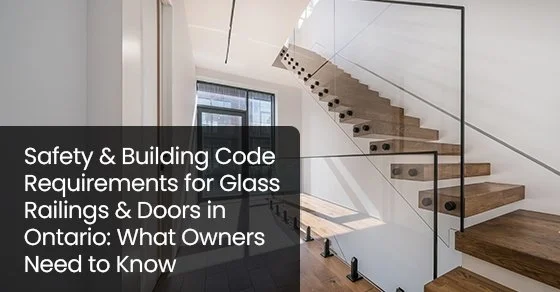
Installing glass railings and doors can modernize your home, but style alone won’t cut it. In Ontario, these installations must meet strict safety and building code requirements to ensure they’re secure, durable, and built to last. At Northvue Glass, we provide code-compliant glass railing and door systems for residential spaces, helping homeowners enhance their property safely and responsibly.
Understanding Ontario’s Safety Glass Standards for Railings and Doors
What Is Safety Glass and Why It Matters
Safety glass is a type of glass engineered to reduce the risk of injury if it breaks. It comes in two main types: tempered and laminated. Tempered glass is heat-treated to increase its strength and break into blunt pieces rather than sharp shards. Laminated glass consists of two or more glass layers bonded with a plastic interlayer that holds the glass together if shattered.
Both types are required in areas where glass is likely to face impact or where breakage could pose a serious risk. Benefits include:
- Reduced injury risk during accidents
- Improved durability under stress
- Safer breakage patterns to prevent harm
In Ontario homes, these features are essential for complying with safety codes and providing peace of mind.
Ontario Building Code Requirements for Glass Installations
The Ontario Building Code (OBC) outlines specific standards for installing glass railings and doors. These regulations cover everything from height to thickness to the way glass is supported. For residential applications, the OBC requires that all structural glass elements follow safety glazing requirements based on use and location.
Key compliance items include:
- Glass must be tempered or laminated safety glass in hazardous locations
- Minimum thickness depends on span and support; often 10 mm or more for railings
- Glass edges must be finished and protected if exposed
- Height requirements for railings: 900 mm for interior stairs, 1070 mm for balconies
- Framing or hardware must provide structural support to prevent movement
These standards ensure that the glass performs reliably under normal use and environmental conditions.
Where Safety Glass Is Mandatory in Homes
Certain areas of the home are considered high-risk and require the use of safety glass under the OBC. These include:
- Balcony railings and guardrails
- Staircases, landings, and interior handrails
- Shower enclosures and bathroom partitions
- Sliding or swinging patio doors
- Glass walls or panels within 900 mm of floor level
The code differentiates between interior and exterior installations. Exterior applications often require higher durability to withstand weather, while interior uses focus on protecting people from accidental contact.
Codes may also vary depending on location within the home. For example, glass next to stairs or walkways must meet impact requirements because of the higher chance of contact. Always consider the specific environment when choosing the right type of glass.
How to Ensure Your Glass Railings and Doors Are Code-Compliant
To avoid fines or failed inspections, it’s essential to work with a professional installation team familiar with OBC guidelines. At Northvue Glass, we verify every component to ensure it meets or exceeds the latest safety standards in Ontario.
Here are a few tips to help homeowners stay compliant:
- Hire certified professionals with experience in residential glass railing systems
- Verify safety markings or certification labels on the glass itself
- Ask for documentation confirming the glass type and source
- Inspect after installation to ensure proper edge protection and secure mounting
Following these steps helps guarantee that your new installation is safe, durable, and aligned with Ontario's legal standards.
Common Homeowner Mistakes With Glass Safety and Code
Many homeowners unknowingly violate safety requirements when updating their homes. The most common mistakes include:
- Using annealed (regular) glass instead of safety glass in critical areas
- Skipping permits or assuming all contractors follow code without verification
- Replacing broken panels without checking if the new glass matches original specifications
These issues not only put people at risk but can also lead to costly corrections or penalties during resale or inspection.
Avoiding these pitfalls starts with being informed. Know where safety glass is mandatory, and don’t assume every product is up to code just because it looks strong.
Benefits of Installing Code-Compliant Safety Glass
Code-compliant safety glass does more than just meet regulations; it adds real value to your home. Key benefits include:
- Improved resale value due to modern design and compliance documentation
- Increased safety and reduced liability, especially in homes with children or guests
- Better performance over time with fewer repairs, replacements, or weather-related issues
Investing in high-quality, professionally installed glass railings and doors means you won’t have to revisit the same upgrades again in a few years. It’s a one-time improvement that continues to protect and impress.
Safety Glass That Protects and Complies With Ontario Code
Choosing the right safety glass isn’t just a style decision; it’s a legal and practical necessity. From staircases to showers, Ontario’s building codes ensure that every pane offers strength and safety. Northvue Glass provides expert installation and code-compliant glass railing solutions designed to protect and elevate your home. Learn more about our residential railing systems here.
Reach out to Northvue Glass today at 888.410.4601, email us at info@northvueglass.com, or click here to get in touch online.