
How to Incorporate Glass Elements in Small Urban Condos Without Losing Privacy
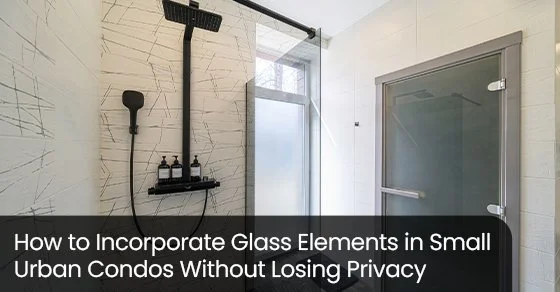
Small condos often need rooms to serve several purposes without feeling closed in. Solid walls provide privacy, but they can also interrupt sightlines and keep natural light from reaching deeper into the space.
Glass walls and other glass elements offer another way to create separation. The key is deciding where transparency helps and where it would make everyday living uncomfortable. During a condo renovation, glass type, placement, sightlines, and room use should all be considered together rather than treating maximum transparency as the goal.
How to Use Glass Walls Without Sacrificing Privacy
Glass walls don't have to create completely transparent rooms. Different glass treatments, partial applications, and thoughtful placement can preserve light and visual openness while still screening areas that need more privacy.
Start with how each part of the condo is actually used.
Start With the Privacy Needs of Each Room
A living room has different privacy requirements from a bedroom or bathroom. A home office may benefit from visual connection during part of the day but need greater screening during calls or concentrated work.
Assess each area before choosing the glass. Also consider nighttime conditions. A partition that feels private in daylight can look very different once interior lights are on and surrounding spaces are darker.
Use Frosted or Obscured Glass Where Full Transparency Is Not Practical
Privacy glass can transmit useful light while making direct views less clear. Frosted or otherwise obscured glass may therefore suit spaces where you want brightness without full visual exposure.
Bathrooms, sleeping areas, and workspaces are obvious places to consider greater screening. You might need privacy across the entire panel or only at certain heights. The level of obscurity varies by glass product, so compare actual options rather than assuming every frosted surface behaves the same way.
Combine Clear and Private Areas Instead of Choosing Only One
A glass feature doesn't necessarily need one transparency level from top to bottom.
Selective screening can keep useful sightlines open while limiting visibility where it matters. For example, a clear upper section may allow light and visual depth while an obscured area provides privacy around furniture or working zones.
Consider the view from both sides before finalizing the design. What works from inside a room may expose more than expected from a hallway or living area.
Position Glass to Share Natural Light Between Spaces
One practical advantage of interior glass is its ability to let daylight travel beyond the room with the window.
During a condo renovation, look for opportunities to place glass between brighter areas and interior zones that would otherwise depend heavily on artificial lighting. Full transparency isn't always necessary. Some privacy glass still allows light to pass while reducing direct visibility.
Actual results will depend on factors such as window size, orientation, surrounding buildings, and the condo layout.
Pay Attention to Sightlines From Entrances and Living Areas
Before committing to a partition, stand where people normally spend time.
Check what's visible from the front door, sofa, kitchen, hallway, and other common positions. A small shift in placement or a change in transparency may improve privacy without requiring a solid wall.
Doing this before construction begins is much easier than discovering afterward that a clear partition provides an excellent view directly into a space you intended to keep private.
Consider Partial Glass Instead of a Full Floor-to-Ceiling Wall
Sometimes the best solution isn't an entire glass wall.
A partial-height panel, upper glass section, or combination of solid and transparent materials can provide separation while keeping portions of the space visually connected. Let furniture placement and room function guide the proportions.
These arrangements can be especially useful when you want light to travel through the upper part of a room while maintaining screening closer to eye level.
Use Glass Around Home Offices With Visual Privacy in Mind
A solid home-office wall can make a compact condo feel divided, but completely clear glass may introduce its own distractions.
Clear, frosted, or selectively obscured areas provide different levels of separation. Think about where your computer monitor faces, what colleagues will see behind you during video calls, and whether activity elsewhere in the condo will interfere with concentration.
The aim is to define the workspace without automatically turning it into a dark enclosed room.
Keep Bedrooms and Bathrooms More Selectively Screened
Private rooms generally need more control over visibility than shared areas.
Obscured glass, strategically located clear areas, or limited glass features can preserve some openness without exposing the whole room. Daytime and nighttime sightlines both deserve attention because lighting conditions can substantially change perceived privacy.
For bathrooms and other application-specific areas, qualified professionals should confirm glass selection and installation requirements.
Let Glass Details Support the Rest of the Condo Design
Hardware, frames, cabinetry, flooring, stone, and wood finishes all influence how prominent a glass feature feels.
Simpler detailing can help glass sit quietly within a compact interior rather than becoming the visual focus of every room. NorthVue Glass takes a similar approach with our documented frameless glass railing systems, which are designed to reduce visual obstruction and preserve sightlines.
That doesn't mean every interior glass application should use the same construction. The surrounding architecture and function should determine the details.
Where Glass Elements Can Work Well in a Small Condo
Glass can work well for room dividers, home-office boundaries, shower enclosures, railing areas, and other locations where you need physical separation without a visually heavy barrier.
Use it selectively. Privacy, circulation, furniture placement, acoustics, available light, and applicable condo or building rules can all make a solid surface more practical in some locations.
When a railing is required, frameless glass is a proven way to maintain sightlines. NorthVue specializes in frameless railing systems using tempered glass and low-profile supporting hardware.
What to Plan Before Adding Glass During a Condo Renovation
Before ordering custom glass, confirm condo-board requirements, building rules, measurements, installation access, and any other constraints that could affect the project.
Review each room's function, desired privacy, key sightlines, available natural light, surrounding finishes, and expected maintenance. Safety-glass requirements can also vary by application and applicable code, so confirm the right specifications with qualified professionals.
Final dimensions matter too. When glass is fabricated for a particular opening, surrounding construction should be sufficiently resolved before finalizing measurements and fabrication decisions.
Use Glass Walls to Balance Privacy, Light, and Openness
Glass walls can help a compact condo remain visually open while thoughtful placement, selective transparency, and privacy glass provide screening where it's actually needed. The strongest designs respond to how each room is used rather than making every possible surface transparent.
We specialize in frameless glass railing sales, delivery, and installation, along with custom glass shower solutions. Visit NorthVue Glass to explore our documented glass products and project examples.
Reach out to NorthVue Glass today at 888.410.4601, email us at Info@northvueglass.com or click here to get in touch online.
Frequently Asked Questions
Can Glass Walls Provide Enough Privacy for a Bedroom?
They can provide different degrees of privacy depending on the glass treatment, placement, and room layout.
Frosted or other obscured glass can reduce direct visibility while still allowing light to pass. Before choosing an option, consider the view into the room during both daytime and nighttime conditions.
Does Privacy Glass Still Let Natural Light Through?
Many obscured glass treatments are designed to transmit light while limiting clear views, although the effect varies between products.
If privacy and daylight are both priorities, compare samples so you can see how each option behaves under conditions similar to your condo.
Are Glass Elements a Good Choice for Very Small Condos?
They can be useful where a solid barrier would interrupt sightlines or block light from reaching another area.
Glass isn't automatically the right choice everywhere. Privacy, acoustics, furniture placement, circulation, and budget should also influence where it makes sense.
What Should I Consider Before Adding Glass During a Condo Renovation?
Review condo and building requirements, measurements, installation access, room use, privacy, sightlines, adjacent finishes, and available natural light.
Decide how transparent each feature should be before selecting the glass. Safety and installation requirements specific to the application should also be confirmed with qualified professionals.
Can I Mix Clear and Frosted Glass in the Same Condo?
Yes. Different transparency levels can help individual areas respond to different privacy requirements.
You can maintain visual consistency through complementary hardware, finishes, or an overall design language rather than forcing every glass feature to use the same treatment.